
Culture and Birding in the Highplateau – 3D/2N
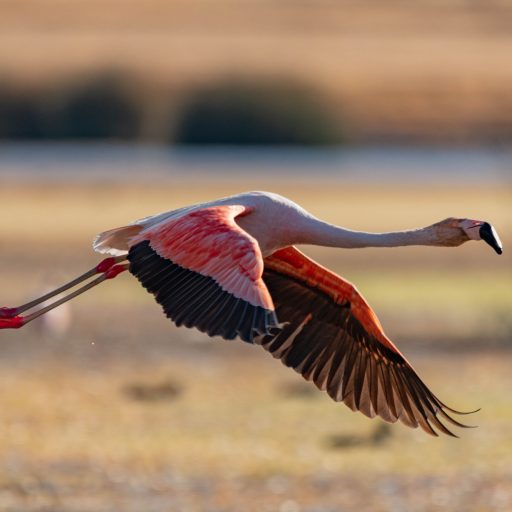
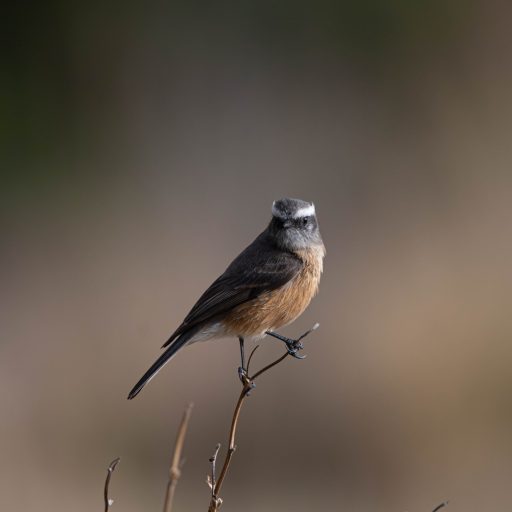
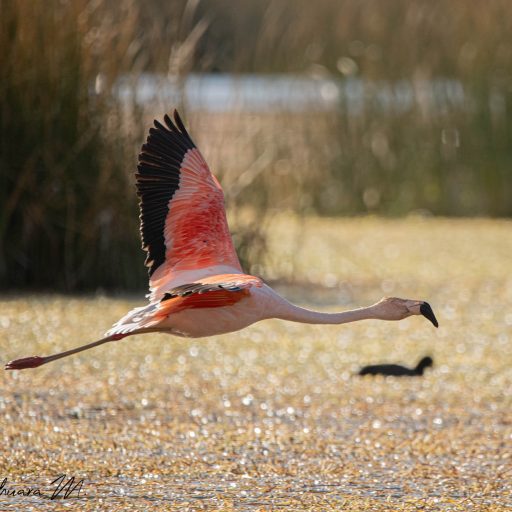
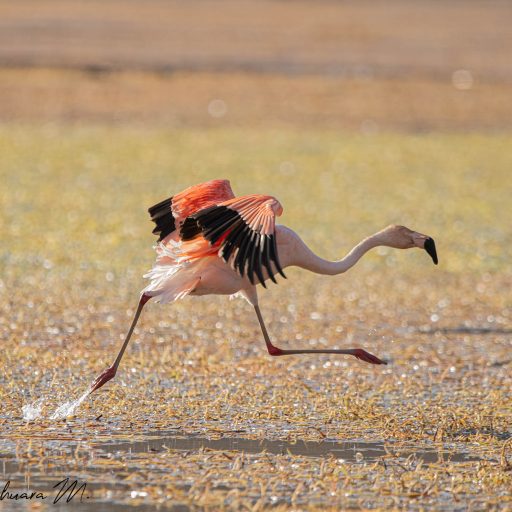
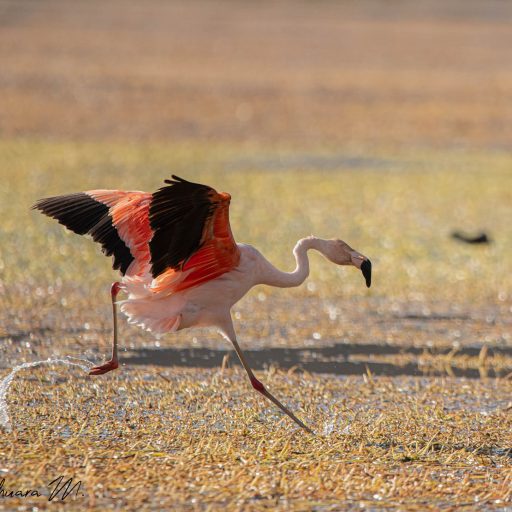
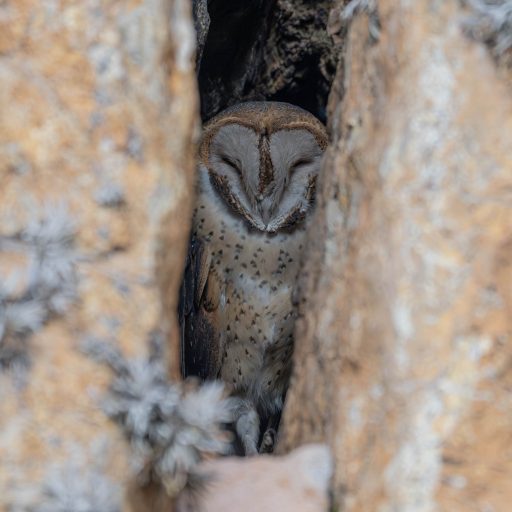
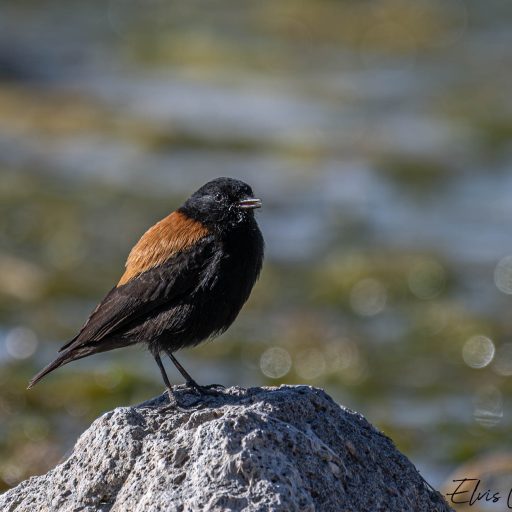
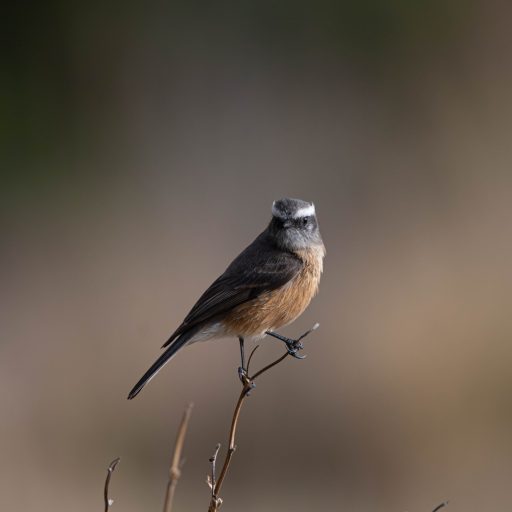
The Titicaca National Reserve is particularly appropriate for a birding-focused trip: it protects 36,180 hectares of Lake Titicaca and its wetlands and has 105 recorded bird species, including the endemic Titicaca Grebe (Rollandia microptera).
MAIN BIRDING TARGETS
Titicaca National Reserve
- Titicaca Grebe ⭐
- Giant Coot
- Puna Teal
- Yellow-billed Pintail
- Andean Goose
- Chilean Flamingo
- various herons
- Andean Gull
- wetland passerines
- Southern Puno / Aramu Muru
- Andean Hillstar
- Puna Ibis
- Andean Lapwing
- Andean Flicker
- Ground-tyrants
- Cinclodes
- highland finches
The reserve contains a particularly important concentration of aquatic bird habitat because of its extensive totoral wetlands.
Itinerary
Wetland Birding & Uros Cultural Experience
Early morning: Departure from Puno for our first birding excursion around the Titicaca National Reserve.
We will explore the lake’s totoral wetlands and shoreline, using small boats and strategic stops to look for high-altitude aquatic birds.
Birding highlights:
- Titicaca Grebe / Zambullidor del Titicaca
- Giant Coot / Choka
- Puna Teal
- Yellow-billed Pintail
- Andean Goose
- Various herons and shorebirds
- Andean gulls and other lake species
Uros Cultural Experience
Continue by boat toward the Uros floating islands, where we learn about the traditional use of totora, the construction of the floating islands, fishing, and the ancestral relationship between the Uros people and Lake Titicaca.
- After the cultural visit, continue with additional birding around the reed beds.
- Lunch: Local lunch featuring traditional Altiplano cuisine.
- Afternoon: Return to Puno.
- Overnight: Puno
Aymara Culture, Archaeology & Highland Birding
Early departure south of Puno following the shores of Lake Titicaca.
Our first stop will be Chucuito, a traditional Aymara town with an important colonial and archaeological heritage.
Cultural highlights:
- Chucuito main square.
- Inca Uyo
- Colonial architecture
- Aymara traditions
Continue toward the Waru Waru agricultural fields and the archaeological site of Molloco, where we can combine cultural interpretation with opportunistic birding.
The route then continues toward the famous Aramu Muru, a monumental doorway carved into a rock face and surrounded by the characteristic landscapes of the southern Titicaca highlands.
Birding opportunities
The open Puna landscape around this route provides opportunities to look for:
- Andean Lapwing
- Puna Ibis
- Andean Flicker
- Ground-tyrants
- Cinclodes
- Andean Hillstar
- various finches and sparrows
Lunch: Local restaurant or picnic, depending on the expedition program.
Afternoon: Return to Puno with additional birding stops along the lakeshore.
Overnight: Puno
Final Birding Session & Cultural Farewell
Early morning: Final birding session around the Puno Bay / Titicaca wetlands.
The early hours provide excellent opportunities to photograph birds around the totorales before the winds become stronger.
Target species:
- Highland ducks
- Titicaca Grebe
- Giant Coot
- Andean Gull
- Andean Goose
- Puna Teal
- Yellow-billed Pintail
- Shorebirds and wetland species
The Peruvian side of Lake Titicaca is recognized as a Ramsar wetland of international importance, particularly because of its importance as habitat for aquatic birds.
After breakfast, check out from the hotel and begin the journey toward Cusco, or transfer to Juliaca Airport depending on the final travel arrangements.
Includes
Does not include
Recommendations
Book now
$ 350.00